
¿Cuánto pesa un actuador electrohidráulico típico?
2026-06-15 Blog
Electro-hydraulic actuators are essential components in various industrial applications. Understanding their weight is crucial for proper installation and handling. The weight of these actuators can vary significantly based on their size, design, and intended use. Typically, smaller actuators weigh between 50 and 150 pounds, while larger models can exceed 500 pounds. This article explores the factors influencing the weight of electro-hydraulic actuators and provides insights into selecting the right model for specific needs.
Factors Influencing Actuator Weight
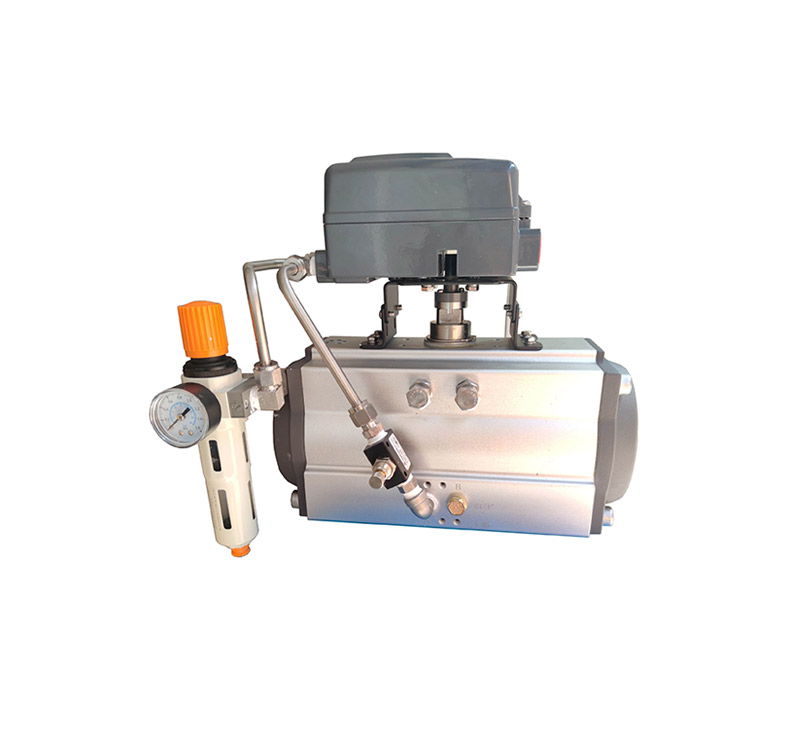
The weight of an electro-hydraulic actuator is determined by several factors. The size of the cylinder and the stroke length play a significant role. Larger cylinders and longer strokes generally result in heavier actuators. Additionally, the materials used in construction also impact the weight. Steel is commonly used for its strength but adds to the overall weight. Aluminum and composite materials are sometimes used for lighter alternatives.
Standard Weight Ranges
For most industrial applications, electro-hydraulic actuators fall within standard weight ranges. A typical small actuator might weigh around 75 pounds, suitable for light-duty applications. Medium-sized actuators, often used in moderate-duty tasks, can weigh between 200 and 350 pounds. Heavy-duty actuators, designed for demanding industrial environments, can weigh over 600 pounds. These weight ranges help in selecting the appropriate actuator for the job.
Importance of Weight in Selection
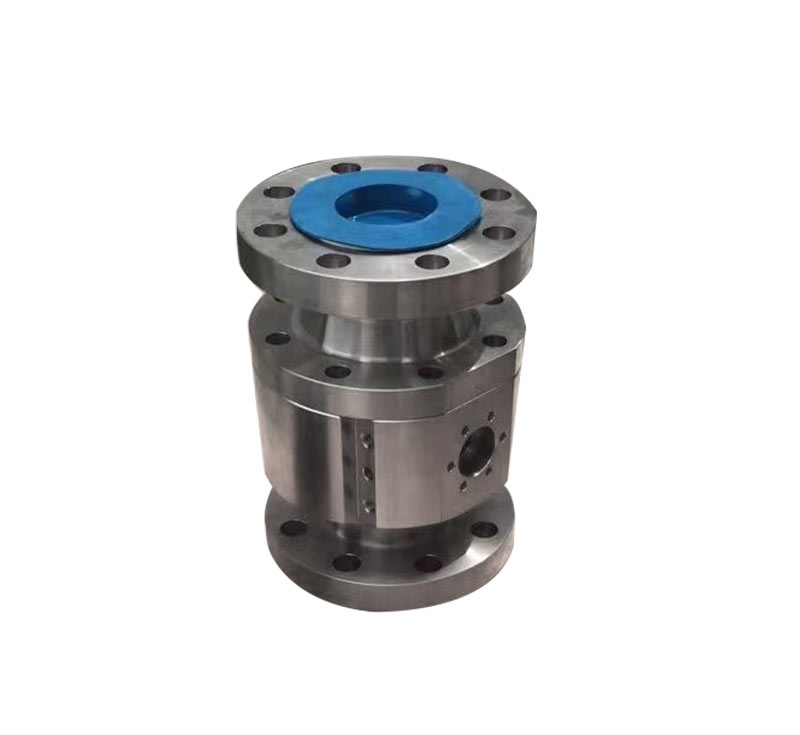
The weight of an electro-hydraulic actuator is a critical consideration during selection. Heavier actuators require more robust mounting and handling equipment. Proper cranes and hoists must be used to prevent damage during transportation and installation. Additionally, the weight affects the load on supporting structures. Engineers must ensure that the foundation and framework can handle the actuator’s weight under operational conditions.
Customization and Variations
Some manufacturers offer customized electro-hydraulic actuators to meet specific weight requirements. These custom models can be lighter or heavier depending on the application. Customization might include using different materials or altering the design to achieve the desired weight. However, such modifications can impact the actuator’s performance and durability.
Conclusión
Selecting the right electro-hydraulic actuator involves considering its weight alongside other factors like size, power, and material. Understanding the typical weight ranges and the factors influencing weight helps in making an informed decision. Proper handling and installation are essential to ensure the longevity and efficiency of the actuator. By choosing the appropriate model, industries can optimize their operations and maintain high performance standards.
Productos destacados
Contáctanos
Dirección: Oficina 203-1, 2.ª planta, Bloque A, n.º 9 de la calle Xinqin, distrito de Xinwu, ciudad de Wuxi, provincia de Jiangsu, República Popular China
Móvil: 0086-188-5271-7918
Email:william@wxaccton.com
Sitio web: www.actuator-china.com