
What is the noise level of standard pneumatic actuators during operation?
2026-08-10 Blog
What Is the Noise Level of Standard Pneumatic Actuators During Operation?
Introduction to Pneumatic Actuator Noise
Pneumatic actuators drive valve operations across countless industrial facilities worldwide. For this reason, plant engineers and procurement teams carefully evaluate noise output before selecting equipment. Excessive operational noise contributes to worker fatigue, regulatory compliance risks, and premature component wear. Standard pneumatic actuators generate sound primarily through air exhaust, internal friction, and mechanical movement during cycling. Understanding typical decibel ranges helps facility managers make informed purchasing decisions. This guide outlines baseline noise levels for common actuator designs and factors that influence real-world performance.
Typical Decibel Range for Standard Pneumatic Actuators
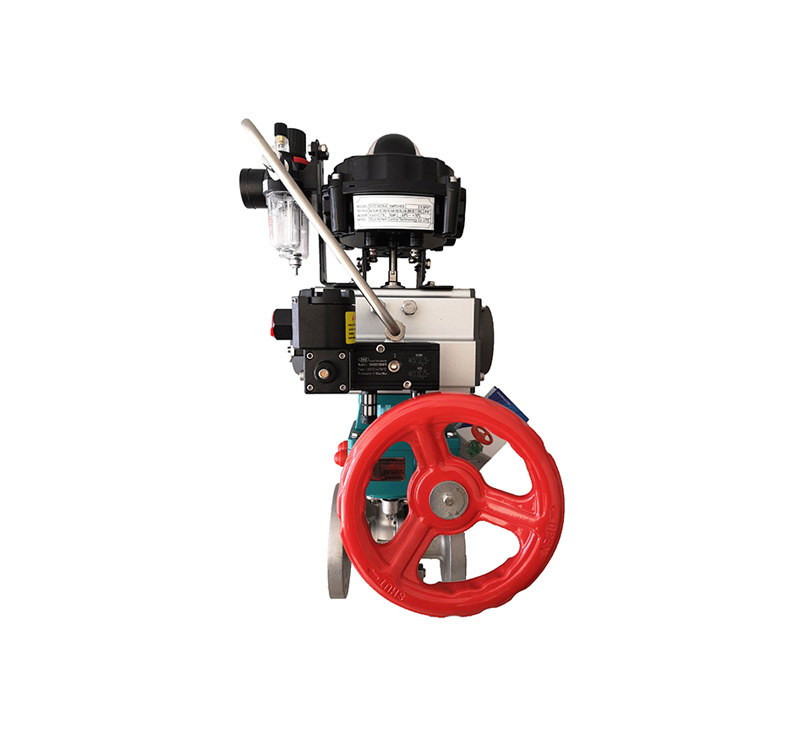
Most standard pneumatic actuators operate between 75 and 90 decibels under normal working conditions. Smaller rack-and-pinion models usually register near the lower end of this range. Larger scotch yoke actuators, by contrast, tend to produce higher sound levels during full stroke. Quiet-duty units, with built-in mufflers, can drop readings to 70 decibels or slightly below. Without noise control features, however, some heavy-duty units may exceed 95 decibels at peak exhaust. These measurements reflect standard testing at a distance of one meter from the equipment housing. Actual plant floor readings vary based on mounting, piping configuration, and surrounding ambient noise.
Key Factors That Influence Actuator Noise Output
Air supply pressure represents the single most impactful variable for actuator sound levels. Higher pressure naturally creates faster piston movement and louder exhaust upon cycle completion. Similarly, larger bore diameters displace more air with each stroke, which increases overall noise output. Cycle speed also matters significantly; fast-acting actuators produce sharper, more noticeable sound pulses. Valve type and mounting hardware contribute secondary effects through vibration transfer to adjacent piping. Even facility layout, such as enclosed cabinets or reflective metal surfaces, can amplify perceived noise by several decibels.
Noise Differences Across Actuator Design Types
Rack-and-pinion actuators generally deliver the quietest performance among standard industrial options. Their compact, balanced mechanics produce relatively low vibration during linear-to-rotary conversion. Scotch yoke actuators, on the other hand, generate higher torque and correspondingly higher noise at end-of-stroke impact. Vane-type actuators fall somewhere in the middle, with smooth rotation but moderate exhaust sound. Spring-return models add distinctive click patterns during the spring reset phase. For each design category, manufacturers offer low-noise variants with integrated damping and silencing features.
Common Noise Reduction Solutions for Pneumatic Systems
Standard mufflers provide the simplest and most cost-effective way to lower exhaust noise. These threaded accessories attach directly to exhaust ports and can reduce sound by 10 to 20 decibels. Flow control valves, meanwhile, slow piston travel and soften end-of-stroke mechanical impact. Cushioned piston designs add internal hydraulic or pneumatic damping for smoother, quieter cycling. Flexible mounting brackets isolate vibration from pipework and structural surfaces, which reduces secondary resonance. For enclosed installations, acoustic enclosures or insulated cabinets deliver additional sound suppression for sensitive work areas.
Regulatory and Workplace Safety Considerations
Occupational safety standards set clear limits for daily noise exposure in industrial settings. Most regulatory bodies define 85 decibels as the threshold requiring hearing protection programs. Sustained exposure above this level, over time, contributes to permanent hearing damage and stress-related health issues. For this reason, procurement teams often specify low-noise actuator configurations for open plant floor installations. Proper maintenance also plays an important role, as worn seals and misaligned components increase operational noise gradually. Regular inspection ensures actuators remain within their original design sound parameters throughout service life.
Selecting the Right Actuator for Noise-Sensitive Environments
Procurement managers should begin by defining acceptable noise targets for each installation location. Standard actuators work well for general process areas with typical ambient industrial background noise. For control rooms, laboratory zones, or populated workstations, however, low-noise models become necessary. Working with reputable suppliers allows engineers to review factory-tested decibel data before finalizing purchase orders. Combined with proper silencer selection and speed control tuning, most standard actuators can meet reasonable workplace noise requirements. Careful upfront selection prevents costly retrofits and supports long-term regulatory compliance across facility operations.
Productos destacados
Contáctanos
Dirección: Oficina 203-1, 2.ª planta, Bloque A, n.º 9 de la calle Xinqin, distrito de Xinwu, ciudad de Wuxi, provincia de Jiangsu, República Popular China
Móvil: 0086-188-5271-7918
Email:william@wxaccton.com
Sitio web: www.actuator-china.com