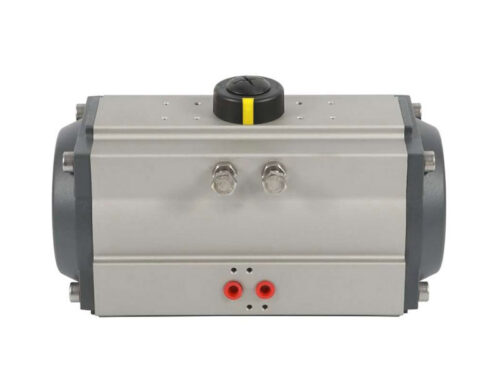
In industrial fluid control systems, accurate valve positioning matters greatly. For this reason, operators rely on clear visual feedback during routine inspections. As a result, visual position indicators have become standard components on many actuation platforms. In particular, they play a key role on valve hydraulic actuators used in heavy-duty applications.
Core Functions of Visual Position Indicators
First and foremost, these indicators show the exact open or closed state of a valve at a glance. Furthermore, they provide immediate visual confirmation without needing electronic sensors. In addition, maintenance teams use them to verify proper stroke length during servicing. Most importantly, they serve as a reliable backup when digital systems experience downtime.
Why Valve Hydraulic Actuators Need Visual Feedback
To begin with, hydraulic systems generate high torque for large and high-pressure valves. Consequently, misalignment or incomplete seating can cause serious process disruptions. For example, a partially closed valve may lead to unexpected pressure drops downstream. Similarly, an over-opened valve can create unsafe conditions in sensitive process lines.
Design Features and Construction
On the whole, visual position indicators feature a rugged housing made from corrosion-resistant materials. In fact, most models use stainless steel or engineered polymers for long service life. Moreover, they typically include high-contrast markers that remain visible from several meters away. Additionally, many designs offer adjustable scales to match specific stroke requirements.
Installation and Integration Considerations
For the most part, installation takes only a few minutes with basic hand tools. Specifically, most units mount directly to the actuator top plate using standard fasteners. Next, technicians align the indicator pointer with the actual valve stem position. Finally, they perform a full stroke test to confirm accurate visual correspondence.
Benefits for Plant Operations and Safety
Above all, these simple devices enhance workplace safety by reducing guesswork during operations. Likewise, they help minimize human error during manual valve procedures. In the same way, they support faster response times during emergency shutdown scenarios. As a result, plants experience fewer process upsets and lower maintenance costs over time.
Compatibility Across Industrial Sectors
Notably, visual position indicators work across a wide range of industrial environments. For instance, oil and gas facilities use them on pipeline and refinery valve assemblies. In chemical plants, they withstand exposure to various corrosive atmospheres. Similarly, water treatment facilities depend on them for reliable valve status monitoring.
Maintenance and Long-Term Reliability
Generally speaking, visual position indicators require very little ongoing attention. In most cases, periodic cleaning and visual inspection suffice to keep them functional. However, harsh conditions may call for more frequent checks of seals and lenses. Even so, these devices typically outlast many electronic monitoring alternatives.
Choosing the Right Indicator for Your Application
First, consider the environmental conditions where the equipment will operate. Then, evaluate the required viewing distance and lighting conditions at the site. Next, match the mounting interface to your specific actuator model. Finally, select options such as explosion-proof ratings if they apply to your facility.
Conclusión
In summary, visual position indicators deliver straightforward yet essential value for fluid control systems. They provide instant, reliable valve status that operators can trust without power or wiring. By adding this simple component, plants improve both safety and operational efficiency. For these reasons, they remain a smart investment for any facility using hydraulic valve actuation technology.