
Can pneumatic actuators work in high humidity environments?
2026-08-05 Blog
Can Pneumatic Actuators Work in High Humidity Environments?
Introduction
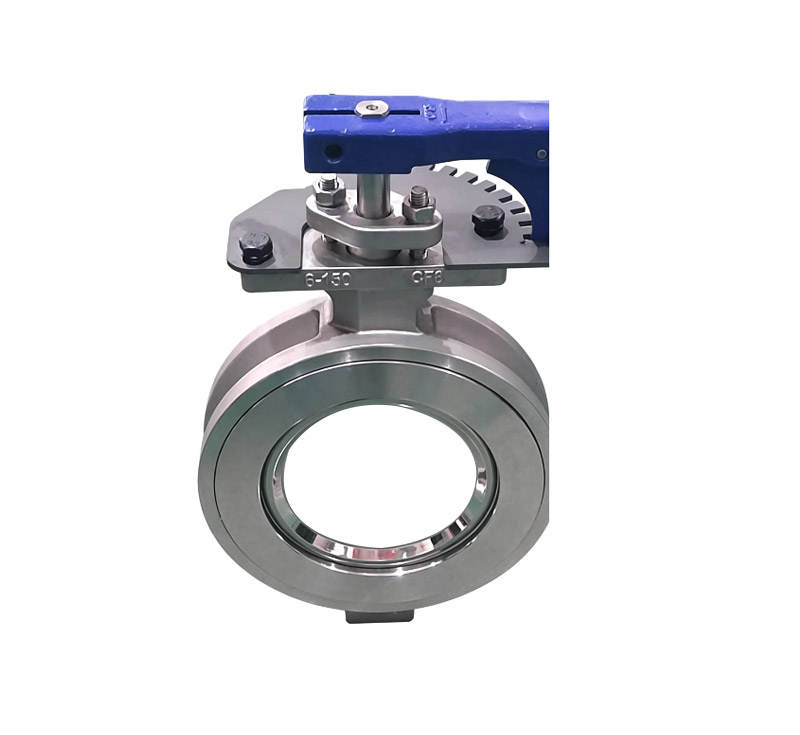
Pneumatic actuators serve as critical components across many industrial sectors. For this reason, engineers and procurement teams often question their performance in damp conditions. High humidity presents unique challenges for mechanical and electrical equipment alike. Fortunately, modern pneumatic technology handles moist environments surprisingly well when specified correctly. This guide explains how humidity affects pneumatic actuators, which designs perform best, and what protective measures ensure reliable operation.
How Humidity Affects Pneumatic Systems
First, moisture enters compressed air lines through intake and ambient condensation. Over time, this water vapor reaches every internal part of the actuator. Condensation inside cylinders causes several practical problems. For example, water dilutes lubricants and accelerates wear on seals and pistons. Additionally, moisture promotes rust formation on metal components such as rods and springs. In extreme cases, trapped water can freeze during temperature drops and block airflow entirely. Finally, humid air carries more contaminants, which shorten filter life and degrade overall system efficiency.
Why Pneumatic Actuators Handle Humidity Better Than Electric Alternatives
Compared with electric actuators, pneumatic units offer inherent advantages in wet conditions. Most importantly, pneumatic systems rely on compressed air rather than electrical windings. This means no short-circuit risk exists when moisture penetrates the housing. Furthermore, standard pneumatic cylinders use fewer sensitive electronic parts that corrosion can damage. Many industrial facilities therefore prefer pneumatic solutions for washdown zones, coastal plants, and tropical climates. Electric actuators, by contrast, require expensive enclosures and sealed cables to achieve similar protection levels.
Key Design Features for High-Humidity Applications
Several design characteristics determine an actuator’s moisture resistance. First, stainless steel construction on external rods and fasteners prevents surface corrosion. Similarly, hard-anodized aluminum bodies provide an extra barrier against humid air penetration. Next, high-quality nitrile or Viton seals maintain flexibility and prevent water ingress over long service periods. Additionally, breather vents with desiccant filters block external moisture from entering the cylinder during pressure changes. Finally, epoxy-coated end caps add another layer of defense against corrosive atmospheres.
Recommended Protective Measures
Even with robust construction, additional safeguards extend actuator life in humid environments. First, install air dryers and moisture separators at the compressor source. This upstream step removes most water before it reaches the actuator. Second, apply regular lubrication with moisture-resistant grease to maintain seal performance. Third, schedule periodic drain checks for air lines and filter assemblies. Moreover, position actuators vertically when possible so condensate naturally flows away from seals. For coastal or chemical plants, consider extra corrosion inhibitors on all exposed metal surfaces.
Industry-Specific Considerations
Different industries face distinct humidity challenges that affect actuator selection. For instance, pulp and paper mills maintain high ambient moisture throughout production areas. Chemical processing plants combine humidity with corrosive fumes, requiring upgraded materials. Water treatment facilities expose equipment to constant splash and condensation cycles. Likewise, offshore oil and gas platforms face salt-laden humid air that accelerates corrosion. In each case, working with a knowledgeable supplier ensures the right material and coating choices for the specific operating environment.
Common Misconceptions About Humidity and Pneumatic Performance
Some buyers assume all pneumatic actuators automatically tolerate high humidity. In reality, basic economy models may fail prematurely without proper preparation. Conversely, others over-specify expensive stainless steel units when coated aluminum works fine. Understanding actual moisture levels and duty cycles prevents both under-engineering and unnecessary cost. Another common myth holds that humidity only damages external surfaces. Internal moisture actually causes most premature failures through seal degradation and internal corrosion.
Conclusión
Pneumatic actuators absolutely work in high humidity environments when selected and maintained properly. Their inherent simplicity and lack of sensitive electronics give them a clear advantage over electric alternatives. Still, success depends on matching construction materials, seal types, and upstream air treatment to actual site conditions. By following the protective measures outlined above, industrial operators can achieve long service life even in the dampest production settings. For procurement teams, investing in humidity-appropriate pneumatic solutions reduces downtime and lowers total cost of ownership over the equipment lifecycle.
Productos destacados
Contáctanos
Dirección: Oficina 203-1, 2.ª planta, Bloque A, n.º 9 de la calle Xinqin, distrito de Xinwu, ciudad de Wuxi, provincia de Jiangsu, República Popular China
Móvil: 0086-188-5271-7918
Email:william@wxaccton.com
Sitio web: www.actuator-china.com