
¿Por qué mi actuador no alcanza la posición de apertura total ni la de cierre total?
2026-06-29 Blog
Pneumatic actuators are critical components in various industrial applications. They are used to convert compressed air into mechanical motion, enabling the operation of valves, doors, and other machinery. However, a common issue encountered is when the actuator does not reach its full open or full close position. This problem can lead to operational inefficiencies and downtime, impacting productivity. Understanding the causes of this issue is essential for maintaining optimal performance.
Causes of Actuator Positioning Issues
Several factors can contribute to an actuator not reaching its full travel range. One primary cause is mechanical obstruction. Debris or foreign objects lodged in the actuator’s path can prevent it from moving fully. Additionally, wear and tear on the actuator’s components, such as seals or pistons, can also limit its range. Regular inspection and cleaning are necessary to ensure smooth operation.
Pressure Supply Problems
Another common reason for actuator positioning issues is inadequate compressed air supply. If the pressure is too low, the actuator may not generate enough force to reach its full position. Similarly, fluctuations in air pressure can cause inconsistent movement. Monitoring the air supply and ensuring it meets the actuator’s requirements are crucial steps in troubleshooting.
Actuator Size and Configuration
The size and configuration of the actuator can also impact its positioning. An actuator that is too small for the application may not have the necessary force to move fully. Additionally, incorrect mounting or alignment can cause misalignment, preventing the actuator from reaching its intended position. Proper selection and installation are essential to avoid these issues.
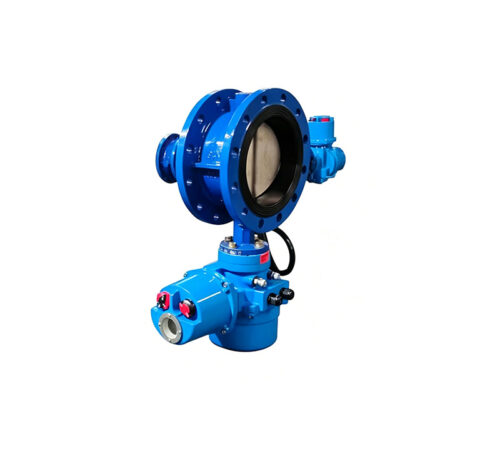
Control System Errors
Errors in the control system can lead to actuator positioning problems. Faulty sensors or actuators can provide incorrect signals, causing the actuator to stop mid-stroke. Calibration and regular maintenance of the control system are necessary to ensure accurate operation. Any discrepancies should be addressed promptly to prevent further issues.
Environmental Factors
Environmental conditions can significantly affect actuator performance. High temperatures or extreme humidity can cause materials to expand or degrade, affecting movement. Similarly, corrosive environments can damage components, leading to reduced functionality. Choosing the right materials and protective measures can mitigate these issues.
Conclusión
Addressing actuator positioning issues requires a systematic approach. Identifying the root cause, whether it is mechanical obstruction, pressure supply problems, actuator size, control system errors, or environmental factors, is crucial. Regular maintenance, proper installation, and selecting the right components can prevent these issues. By understanding these causes, industries can ensure their pneumatic actuators operate efficiently, reducing downtime and improving productivity.
Productos destacados
Contáctanos
Dirección: Oficina 203-1, 2.ª planta, Bloque A, n.º 9 de la calle Xinqin, distrito de Xinwu, ciudad de Wuxi, provincia de Jiangsu, República Popular China
Móvil: 0086-188-5271-7918
Email:william@wxaccton.com
Sitio web: www.actuator-china.com